Emergency Dentist – Newington, CT
Have Dental Pain? Need Care Fast?
When you are in dental pain, the last thing you want to do is have to search the internet to find an emergency dentist in Newington. When you are in the middle of a dental emergency, you need to act fast in order to relieve your pain and keep the problem from getting worse. Whether your teeth have been damaged in an accident or you have woken up with a severe toothache, you can always rely on our practice when you need immediate dental care. Family Dental Practice of Newington is capable of handling a wide array of dental emergencies, and when you call in with one, we will do everything we can to see you as quickly as possible. If you ever need dental care right NOW, be sure to give us a call.
Why Choose Family Dental Practice of Newington for Emergency Dental Care?
- Sedation Dentistry Available for Nervous Patients
- Open Late and on Saturdays
- TRUE Values: Trust, Respect, Urgency, Excellence
How We Treat Dental Emergencies
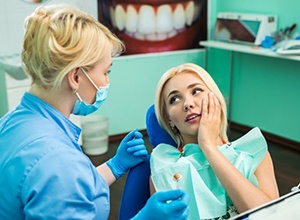 From knocked-out teeth, to toothaches, to dental abscesses, our team has
the experience and technology to get you out of pain fast and back in good
oral health. If you think you may be experiencing a dental emergency, here
is what you can expect to happen next:
From knocked-out teeth, to toothaches, to dental abscesses, our team has
the experience and technology to get you out of pain fast and back in good
oral health. If you think you may be experiencing a dental emergency, here
is what you can expect to happen next:
- Call us for a same-day appointment: We do everything we can to see emergency patients the same day that they call us. We are open late and on Saturdays to help you get the care you need right away.
- We will evaluate your situation: Once at our office, we will perform a quick examination to get a better idea of your situation and the best way to treat it.
- Review your treatment options: After your evaluation, we will review our findings with you, fully explain your treatment options, and help you pick the one that is best for you. At this time, we will also give you an estimated cost and go over your payment options.
- Get the care you need, fast: When you and your Newington emergency dentist have agreed on a treatment plan, we will get to work right away to preserve your teeth and get you out of pain.
The Most Common Dental Emergencies
How to Prevent Dental Emergencies
 When experiencing a dental emergency, you want the confidence and comfort
of knowing that the staff and dental experts at Family Dental Practice of
Newington are here to help. But instead of waiting to react to a crisis
situation, would it not be better to know how to prevent it from happening
in the first place? If you are interested in learning how to prevent a
dental emergency in Newington, CT, we invite you to review the suggested
tips we have provided. Should you have any additional questions or concerns,
please do not hesitate to contact our office.
When experiencing a dental emergency, you want the confidence and comfort
of knowing that the staff and dental experts at Family Dental Practice of
Newington are here to help. But instead of waiting to react to a crisis
situation, would it not be better to know how to prevent it from happening
in the first place? If you are interested in learning how to prevent a
dental emergency in Newington, CT, we invite you to review the suggested
tips we have provided. Should you have any additional questions or concerns,
please do not hesitate to contact our office.
Maintain Good Oral Hygiene Habits at Home
 Brushing your teeth twice a day with fluoride toothpaste, flossing
in-between your teeth at least once a day, and rinsing with an
ADA-approved mouthwash are all important steps to maintaining a good oral
hygiene routine. Each aspect of your regime works to eliminate harmful
bacteria and food particles, keeping plaque and tartar from building on
your teeth and gums, both of which can cause tooth decay and gum disease.
It is also important to keep your regularly scheduled dental checkups and
cleanings with the Family Dental Practice of Newington, which should occur
every six months. This will allow our team to detect any problems before
they worsen or become a serious emergency
Brushing your teeth twice a day with fluoride toothpaste, flossing
in-between your teeth at least once a day, and rinsing with an
ADA-approved mouthwash are all important steps to maintaining a good oral
hygiene routine. Each aspect of your regime works to eliminate harmful
bacteria and food particles, keeping plaque and tartar from building on
your teeth and gums, both of which can cause tooth decay and gum disease.
It is also important to keep your regularly scheduled dental checkups and
cleanings with the Family Dental Practice of Newington, which should occur
every six months. This will allow our team to detect any problems before
they worsen or become a serious emergency
Be Careful With Your Diet
 No matter if you have restorations in your mouth or all your teeth are
healthy and natural, biting down on the wrong thing can lead to chipped,
cracked, or broken teeth. If you have a bad habit of chewing on pens or
pencils, crushed or non-crushed ice, or hard foods and candy, try keeping
a pack of sugar-free chewing gum in your desk drawer or in your pocket. It
will increase your saliva production and help to remove harmful bacteria
from your mouth and prevent cavities from developing. It will also keep
you from chewing on objects that can cause excessive wear and tear on your
teeth.
No matter if you have restorations in your mouth or all your teeth are
healthy and natural, biting down on the wrong thing can lead to chipped,
cracked, or broken teeth. If you have a bad habit of chewing on pens or
pencils, crushed or non-crushed ice, or hard foods and candy, try keeping
a pack of sugar-free chewing gum in your desk drawer or in your pocket. It
will increase your saliva production and help to remove harmful bacteria
from your mouth and prevent cavities from developing. It will also keep
you from chewing on objects that can cause excessive wear and tear on your
teeth.
Wear a Mouthguard
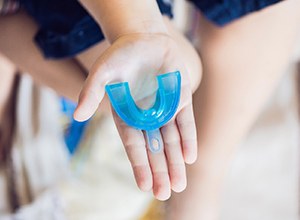 If you are prone to grinding your teeth at night, you should wear a
mouthguard. Bruxism, which is also known as teeth grinding, is a common
dental problem among children and adults, and it can lead to
temporomandibular joint disorder (TMD) if left untreated, which causes
chronic jaw pain. To protect your teeth from excessive wear and alleviate
any jaw discomfort, a custom-made mouthguard (or nightguard) will benefit
you much more than a one-size-fits-all solution found in stores.
If you are prone to grinding your teeth at night, you should wear a
mouthguard. Bruxism, which is also known as teeth grinding, is a common
dental problem among children and adults, and it can lead to
temporomandibular joint disorder (TMD) if left untreated, which causes
chronic jaw pain. To protect your teeth from excessive wear and alleviate
any jaw discomfort, a custom-made mouthguard (or nightguard) will benefit
you much more than a one-size-fits-all solution found in stores.
It is also possible to receive another type of mouthguard (a sportsguard) should you or your child enjoy playing sports. Whether it is a contact or non-contact sport, injuries to the teeth and soft oral tissues can occur. By choosing to wear a sportsguard, you can provide greater protection to your teeth, lips, gums, and jaw. It is also possible that a sportsguard can help should a concussion occur.
Use Tools, Not Teeth to Open Packaging
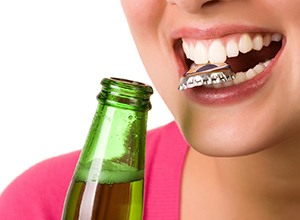 If you are like other individuals, you are likely to open a package with
your teeth if you are struggling to open it with your hands. Your teeth
are not tools. They are designed to bite down on food and nothing else.
Instead of bringing that container or package to your mouth next time, opt
to find some scissors or another appropriate tool to use.
If you are like other individuals, you are likely to open a package with
your teeth if you are struggling to open it with your hands. Your teeth
are not tools. They are designed to bite down on food and nothing else.
Instead of bringing that container or package to your mouth next time, opt
to find some scissors or another appropriate tool to use.
Understanding the Cost of Dental Emergencies
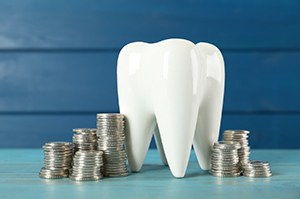
The cost of emergency dentistry in Newington varies from case to case. After we have a chance to examine you, we will be able to talk to you about the cost of any recommended treatment as well as your payment options. Our team can file insurance claims for most PPO policies, and financing is also available for most patients. Do not let concerns about money hold you back from getting necessary care — delays will likely allow the problem to get worse and become more expensive to address.
Every Dental Emergency Is Different
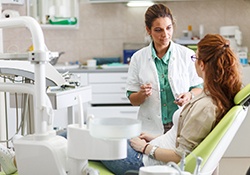
We are able to address a wide range of dental issues, each of which comes with a unique treatment protocol. Depending on the nature of your problem, as well as its severity, we will determine how to move forward with helping you. Until then, we are unable to provide any cost estimates. You might require a simple and relatively inexpensive treatment, like a filling or prescription mouthwash. It is also possible that you should undergo a more complex procedure, such as root canal therapy or a crown. Our team will inform you of all costs that we expect to be associated with your treatment plan so you will not encounter any unexpected surprises when it is time to pay.
Does Dental Insurance Cover Dental Emergencies?

Many dental insurance policies cover one emergency exam per year. It is also common for them to partially cover the cost of treatments that are often used by an emergency dentist in Newington. Depending on which procedure you undergo, your plan might cover 50 – 80% of its cost, up to the amount of your annual maximum. Our practice accepts many types of insurance. We will help you file your claims and understand how your benefits apply to your specific situation.
Other Options for Making Dental Emergencies Affordable

In addition to helping you with insurance, we offer other provisions that may make it easier for you to manage the cost of emergency dental care:
- We work with CareCredit, a third-party lender, to allow patients to pay for treatment over time. Most people who apply are approved for credit, and you may be able to choose from a variety of low-interest payment plans according to what works best for your personal budget.
- Essential Dental Plan. This savings plan, designed for people without insurance, provides discounts on virtually all the services that are available in our practice. Signing up is easy, and you can start to use your benefits right away.
Taking Care of Your Smile Can Save You Money

Some dental emergencies are the result of an unavoidable accident. Most, though, arise after a small dental problem is allowed to worsen to the point where it causes significant pain. Therefore, it is best to visit a dentist as soon as you suspect something is not quite right with your smile. If you postpone care, what could have been treated with a simple filling or prescription may worsen to the point where you require extensive (and expensive) procedures.
Also, keep in mind that you should visit us regularly for preventive care. Insurance usually covers these appointments at 100%, so you may not have to pay anything out of pocket. We will clean your teeth, give you tips for at-home care, and strive to spot developing dental problems well before they lead to an emergency.
Dental Emergency FAQs

As your emergency dentist in Newington, we are ready to provide prompt, high-quality care for your urgent oral health problems. Before you call us to schedule an emergency appointment, however, you might have questions about various dental issues and how to address them. That is why we have assembled the following list of FAQs. If you do not see the information you were hoping for, please contact us directly.
Will My Toothache Go Away on Its Own?
Teeth cannot heal themselves, so it is unlikely that your toothache will go away on its own. However, some types of pain around a tooth, such as sinus problems or minor gum injuries, may resolve without treatment.
If you have a severe toothache that suddenly vanishes, that is not a good thing! It might mean that the tooth has died. The infection that caused the pain, however, may still be present. It can continue to cause damage to your jawbone and surrounding tissues. It might even lead to systemic illness.
Should I Visit the Emergency Room First for Dental Emergencies?
Most hospital teams do not have the training or equipment to properly handle a dental emergency in Newington. They may simply tell you to visit your dentist as soon as possible. If they do provide treatment, it is likely to be quite limited. However, if you have a broken jaw, are bleeding uncontrollably, or have a fever along with your toothache, you should certainly visit the ER. They can provide primary treatment, and you can visit us later for follow-up care.
What Should I Keep in My Emergency Dentistry Kit?
Preparing ahead of time to handle a dental emergency can help you minimize the pain and damage that occur when your oral health takes a turn for the worse. Here are some items that it would be useful to keep on hand:
- A small storage container with a lid
- Sterile gloves
- Gauze pads
- Cotton balls
- Dental cement (or a similar product)
- Pain killers, such as ibuprofen
- Topical anesthesia (such as Orajel)
- Floss
- An ice pack
- Contact information for your dentist
- Your dental insurance information
What Is Causing My Jaw Pain?
Jaw pain can have many different causes. Nocturnal bruxism (teeth grinding and clenching during sleep) is a common cause. A misaligned bite may also be contributing. You might even have TMJ disorder (TMD), a complex condition that affects the joint that connects your jaw to the rest of your skull. When you visit us, we will thoroughly examine your teeth and jaw to determine the cause of your discomfort before we recommend an appropriate treatment.
How Should I Sleep with Tooth Pain?
Sleeping with tooth pain can feel borderline impossible! Fortunately, there are steps you can take to get some much-needed shuteye.
You may benefit from elevating your head slightly using extra pillows, which can help reduce blood flow to the affected area and lessen discomfort. It is important to avoid lying flat, since this can increase pressure and worsen your symptoms.
Applying a cold compress to your cheek may also provide temporary relief by numbing the pain. (Do not fall asleep while the cold compress is on your face. Instead, apply it for 15 minutes or so around bedtime.)
We recommend taking over-the-counter pain relievers before bedtime to help manage your discomfort until you can visit our office. Gentle rinsing with warm salt water is another technique that might help; it can soothe the irritated area and promote oral hygiene.
Will Pulling a Bad Tooth Stop the Pain?
If you have a severely damaged or infected tooth, extraction may eliminate the source of pain. Removing the problematic tooth can provide immediate relief from discomfort caused by decay, abscesses, or trauma. You should be aware that the area may remain sore for a few days following the procedure, but this pain is typically manageable and temporary.
We will do our best to preserve your damaged tooth and find ways to end your pain without performing any extractions. However, if we recommend tooth removal, you can be confident that it will put you on a path toward a pain-free smile.
Should I Worry About a Chipped Tooth If It Does Not Hurt?
A chipped tooth that is not painful can still pose risks to your oral health. Even if you are not experiencing discomfort, the damage may expose the inner layers of the tooth, increasing the likelihood of decay and infection. Small chips may also create sharp edges that can injure your tongue or cheek over time.
We encourage you to schedule an appointment so we can evaluate the severity of the chip and recommend appropriate treatment. Early intervention helps prevent complications and preserves the strength and appearance of your tooth.
How Long Can I Go Without a Crown After It Falls Off?
If your crown has fallen off, you should avoid delaying replacement. Exposed tooth structure becomes vulnerable to sensitivity, fractures, and decay. You may experience discomfort when eating or drinking, and the underlying tooth can deteriorate if left unprotected for an extended period.
We advise contacting our office promptly to arrange for crown replacement or temporary coverage. We will strive to treat you within a reasonable period of time — in some cases, it can be safe to leave a tooth exposed for a couple of weeks, but generally speaking, earlier treatment is better.
Is a Tooth Extraction Cheaper Than Root Canal Treatment?
Tooth extraction is typically less expensive upfront compared to root canal treatment. That is because a root canal requires more time, precision, and materials than simply removing the tooth. However, we encourage you to consider the long-term financial implications of both treatments before you make a decision.
If you get the tooth removed, you should replace it. Otherwise, you could face numerous oral health complications. Tooth replacement (or addressing the problems caused by tooth loss) can cost thousands of dollars. Often, it is more affordable long-term to preserve a natural tooth with root canal therapy.